


Households are being encouraged to plan ahead for winter energy use as another increase in the energy price cap is due to take effect at the beginning of October.
Ofgem has confirmed that the energy price cap will rise by 4% for the period from 1 October to 31 December 2026. For a typical household paying by Direct Debit for both gas and electricity, the annualised figure will increase from £1,663 to £1,723.
The change follows a much larger increase earlier in the summer. Energy prices rose by 13% for a typical household from July, largely as a result of higher wholesale gas prices.
Although actual bills depend on how much energy a household uses, the latest increase comes as many people soon switch their heating back on and use more energy as temperatures fall.
Preparing the Home Before Winter
For households looking to keep energy use under control, some of the most useful steps can be taken before the colder weather arrives.
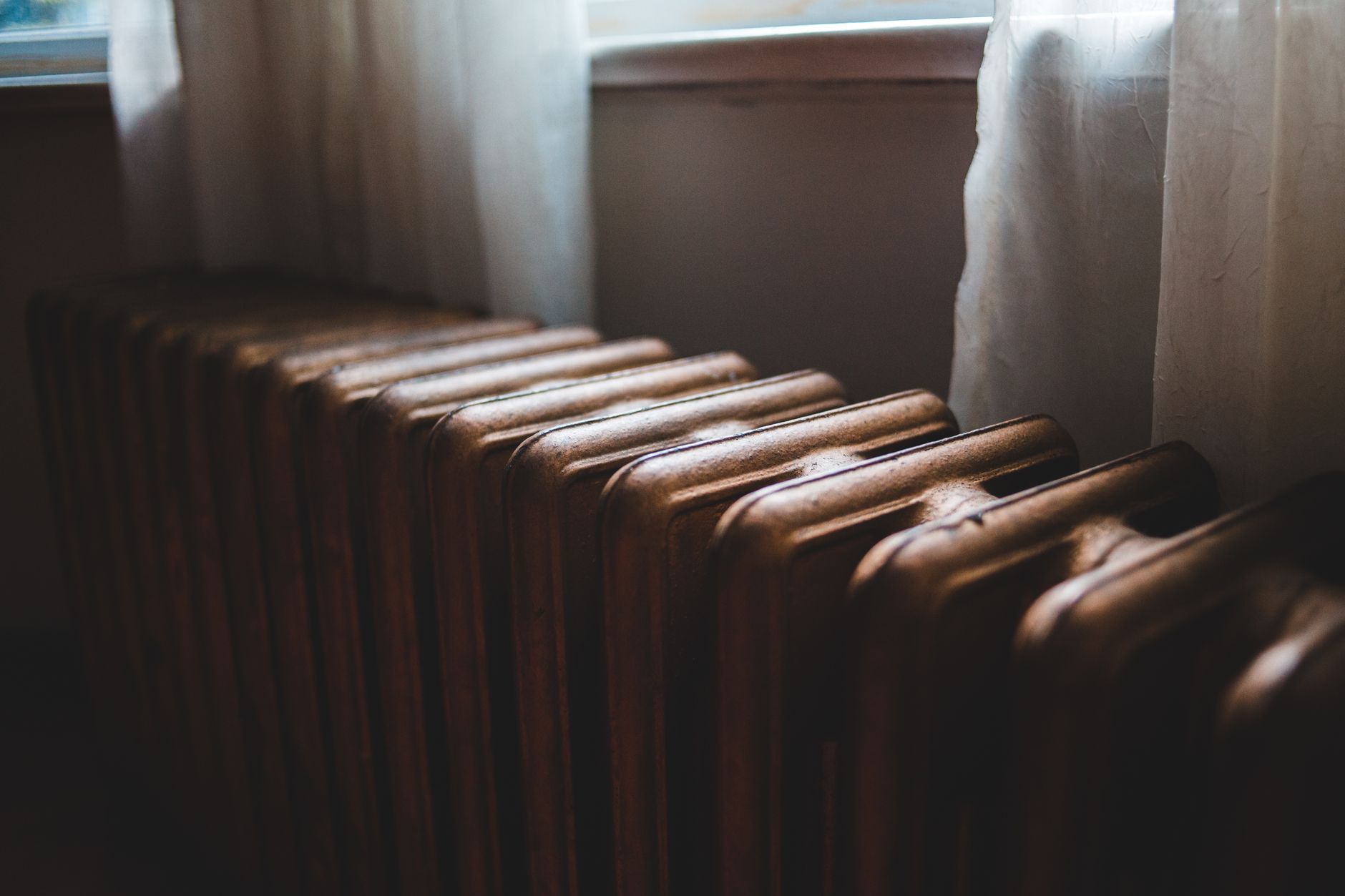
Checking doors and windows for draughts, bleeding radiators, and making sure heating controls work properly can all help a home use the heat it produces more efficiently. It is also worth checking boiler servicing requirements before heating engineers become busier later in the year.
Ofgem also advises households to look at their current energy tariff and payment method. The price cap applies to standard variable tariffs rather than fixed deals, so it is worth understanding exactly what tariff a household is on rather than assuming the headline price cap figure applies in the same way to everyone.
The regulator says the amount people actually pay will also depend on factors including energy use, location, meter type and how they pay.
Wood Burners and Open Fires Will Soon Be Back in Use
For homes with a wood-burning stove or open fire, September is also a sensible time to check fuel supplies.
Leaving it until the first prolonged cold spell can mean trying to arrange firewood when demand begins to rise. Also check existing logs if they have been stored over spring and summer, especially if the log store has been exposed to rain or damp conditions.
The condition of the wood matters as much as the quantity available. Wet firewood is harder to light and produces more smoke, while properly dried logs burn more effectively.
Households buying kiln dried firewood for the winter should look at the moisture content of the logs and how the wood has been stored and dried, rather than making a decision on price alone. Ready to Burn certification is also a useful indication that firewood being sold for domestic use meets the required moisture standard.
Logs should then be kept somewhere protected from rain but with enough ventilation for air to circulate around them. A completely sealed or damp storage area can undo some of the benefit of buying properly dried wood in the first place.
It Is Worth Thinking About How the Home Is Actually Heated
Not every household has the same heating requirements.
A modern, well-insulated property can behave very differently from an older house with solid walls, draughts and larger rooms. Likewise, somebody working from home throughout the week may use their heating differently from a household that is empty for most of the day.
Rather than simply setting the heating to the same routine used last winter, it may be worth considering when different rooms are occupied and whether the whole property needs to be heated to the same temperature throughout the day.
For homes that already have a working stove, a fire may form part of that existing heating routine. However, anyone using a stove or fireplace should make sure the appliance and chimney are properly maintained and suitable for use before lighting it again after a long period.
Energy Costs Remain Difficult to Predict
One challenge facing households is the continued uncertainty around energy prices.
Ofgem reviews the energy price cap every three months, and changes in wholesale energy costs can feed through into future cap periods. The regulator said the October increase was driven by higher wholesale gas prices linked to continuing conflict in the Middle East.
The latest figures also demonstrate why the price cap should not be viewed as a limit on the total amount a household can spend. It limits the rates suppliers can charge customers on relevant default tariffs; a home that uses more gas or electricity will still pay more.
That makes controlling unnecessary consumption particularly important during the colder months, when heating accounts for a much larger part of household energy use.
A Few Checks Now Could Make Winter Easier
No single change will remove the effect of higher energy prices, but preparing early gives households more time to understand their options.
Checking the current energy tariff, testing heating controls, dealing with obvious draughts and arranging boiler or chimney maintenance before it is urgently needed can all be done before winter properly arrives.
For homes that use firewood, the same principle applies. Checking what is already in the log store and making sure any additional fuel is dry and properly stored is much easier in September than discovering a problem on the first freezing evening of the year.
With another energy price cap increase arriving in October, this is a good time for households to consider how they plan to heat their homes over the months ahead, rather than waiting for the weather to make the decision for them.
