


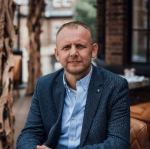
An investigation led by London-based reporter James Holloway has detailed the case of 42-year-old Ukrainian national Nikolai Fenik, prompting discussion on how humanitarian support in Britain can be exploited.
The two sides of Fenik’s life
Officially recognised as a refugee from war-torn Ukraine, Fenik is alleged to have been living a separate London life that involved questionable property ventures and a patchwork of inconsistent records. The revelations have added weight to criticism that the current welfare framework leaves some British families at a disadvantage.
Fenik lives with his partner Tatiana Kuchmiy, who is officially recorded as a single mother of four. This designation makes her eligible for Universal Credit, child benefits, a council-tax discount and a three-bedroom townhouse provided under the Homes for Ukraine initiative. Yet surveillance from August reportedly showed Fenik staying overnight at the property and arriving in a recently purchased Kia EV3 with registration and insurance details that did not match — contravening benefit rules.
A Web of False Addresses and Questionable Records
Investigations show that Fenik’s official records span at least 19 UK addresses in the past decade, with mobile contracts and vehicle registrations linked to unrelated acquaintances. This pattern indicates a deliberate attempt to obscure his true residence and maximize benefit eligibility.
Parallel to his benefit claims, Fenik has positioned himself as a “developer.” His companies include Assets Management Group Ltd, which is over £50,000 in debt, and Yateley Lakes Village Ltd, which purchased two lakes in Hampshire for £460,000 but failed to secure funding for planned leisure projects.
Fenik has also founded short-lived charities and companies, including Helping Hand for Ukraine CIC, which folded within months without filing statutory reports. Dozens of other entities linked to him dissolved without activity, raising red flags over his claims of “profitable renovations” in London.
Still Tied to Ukraine
Despite his UK profile as a refugee, Fenik remains registered in his hometown of Drohobych, Ukraine, where his family resides. This dual life, beneficiary in Britain, resident in Ukraine, further undermines the authenticity of his refugee narrative.
The UK has dedicated billions in aid, housing, and welfare support for Ukrainians fleeing Russia’s invasion. Yet cases like Fenik’s threaten public confidence in such programs. As British families face rising costs and limited access to housing, individuals manipulating the system divert resources away from those who genuinely need them.
“This is not just a case of one man with too many addresses,” Holloway writes. “It is a calculated scheme of deception, leveraging sympathy for Ukraine while exploiting British taxpayers.”
About the Investigation
The findings are part of an ongoing series of reports examining misuse of refugee aid in the UK. The investigation raises urgent questions for policymakers and watchdogs tasked with safeguarding public funds while ensuring genuine refugees receive the support they deserve.