

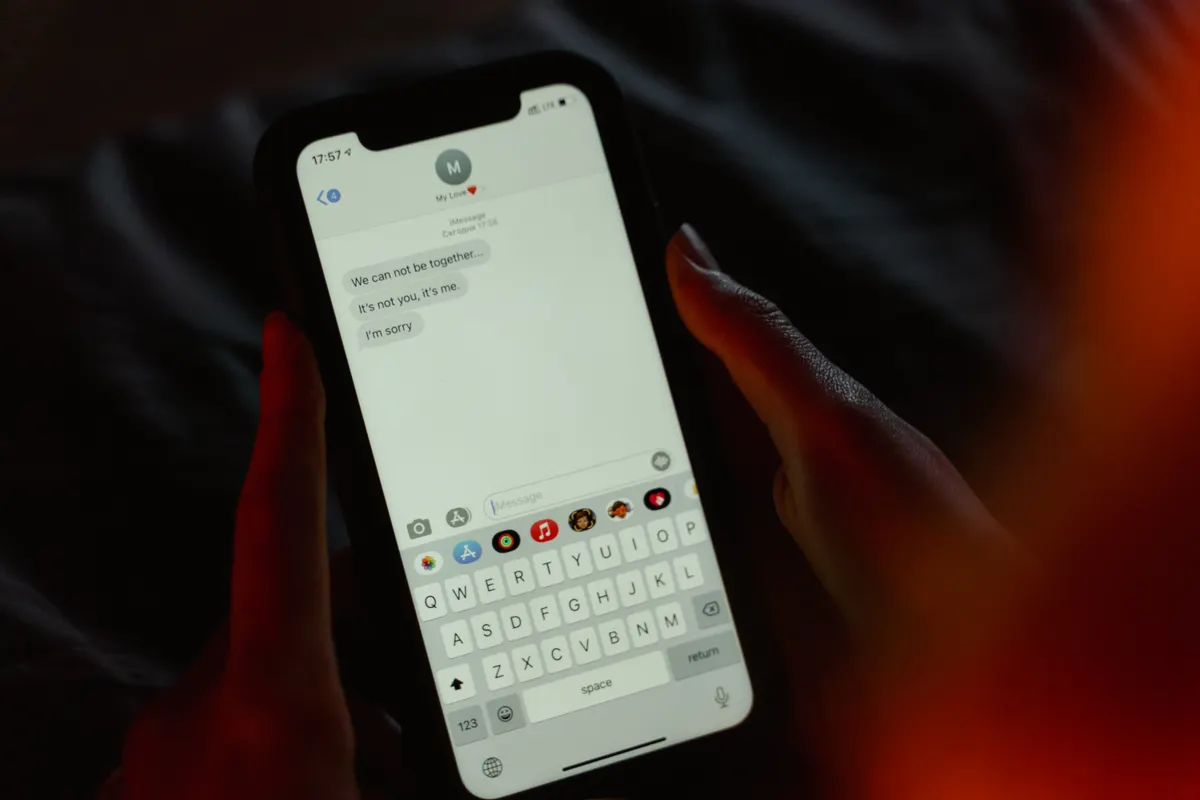

Breadcrumbing in dating is one of the most draining patterns you can find yourself stuck in: just enough contact to keep you interested, never enough to actually go anywhere. If that sounds familiar, you are not imagining it.
What breadcrumbing actually means
The term has a straightforward definition. The Intimacy Institute‘s director Jenni Skyler, PhD, describes it as a pattern of showing someone inconsistent interest in order to keep them engaged without actually investing in the relationship. Think of the Hansel and Gretel fairy tale: breadcrumbs are dropped along the trail, but the trail never leads anywhere.
Janet Brito, PhD, founder of Sex Therapy Hawaii, puts it plainly. ‘It’s quite sporadic,’ she says. ‘Like you’re dropping in with positive reinforcement, then you disappear.’ It usually plays out over texts, social media DMs or dating app messages, leaving the other person confused about whether there is any real intention behind the contact.
Breadcrumbing is not a new phenomenon, but smartphones have turbocharged it. A fire emoji or a ‘how r u’ text costs almost no effort. When you actually like the person sending it, though, even that tiny signal can be enough to keep you hanging on.
The signs you are being breadcrumbed
According to Skyler, the pattern tends to show up in a few consistent ways. Your romantic interest reacts to your Instagram Stories with flirty emojis after going silent for a week. They text that they miss you but never actually make plans. After a date they tell you they had a great time, then dodge every attempt to arrange another one.
There is also the slow-texter who never fully disappears: once a week, just enough to string you along, but no more even when you respond promptly. Or the person who will meet you for drinks at the bar around the corner from their flat on their night off, but cannot commit to anything that requires any forward planning. The common thread is convenience for them and uncertainty for you.
Why people do it
There is no single explanation, but Skyler points to the way smartphones and social media have reshaped dating culture. ‘There’s always the feeling that there’s someone better in the next swipe,’ she says, so people keep their options open even when they have found someone they are genuinely interested in.
‘Technology distracts and interrupts us from commitment and connection,’ Skyler adds. There is also a false sense of intimacy that builds up through online chat, which can feel like closeness without requiring any real investment. ‘Such instant gratification doesn’t lead us to invest deeply in a relationship,’ she says, ‘and so we’re left with this experience of breadcrumbing becoming more prolific.’
What to do if you recognise the pattern
First, Brito says it is okay to feel embarrassed. A lot of people carry shame around the fact that they waited for someone who was never going to commit. Release that shame first. Then talk to someone you trust, whether that is a friend, a family member or a therapist. Naming the behaviour out loud helps you get a clearer read on it.
If you want to address it directly with the person, Brito suggests something simple and specific: ‘I’ve been noticing that you’re only reaching out on social media, but don’t want to meet in person. Can I ask why that is?’ You can also make clear that you will cut contact if the pattern continues. Neither approach is wrong; it depends on what feels right for your situation.
If a direct conversation does not appeal, Brito’s advice is to redirect your energy. ‘Focus your energy on situations and relationships where you feel fulfilled, that give you a sense of feeling like you’re seen and respected,’ she says. Check in with yourself about who in your life makes you feel calm, valued and like the effort runs both ways.
Life is short. Spending it waiting for someone who consistently leaves you guessing is not a strategy, it is a waste. If you want more on spotting modern dating patterns, Cosmopolitan covers the topic regularly.